
Why only Gcash? Bangsamoro card rollout raises questions on partner selection, procurement, and digital inclusion
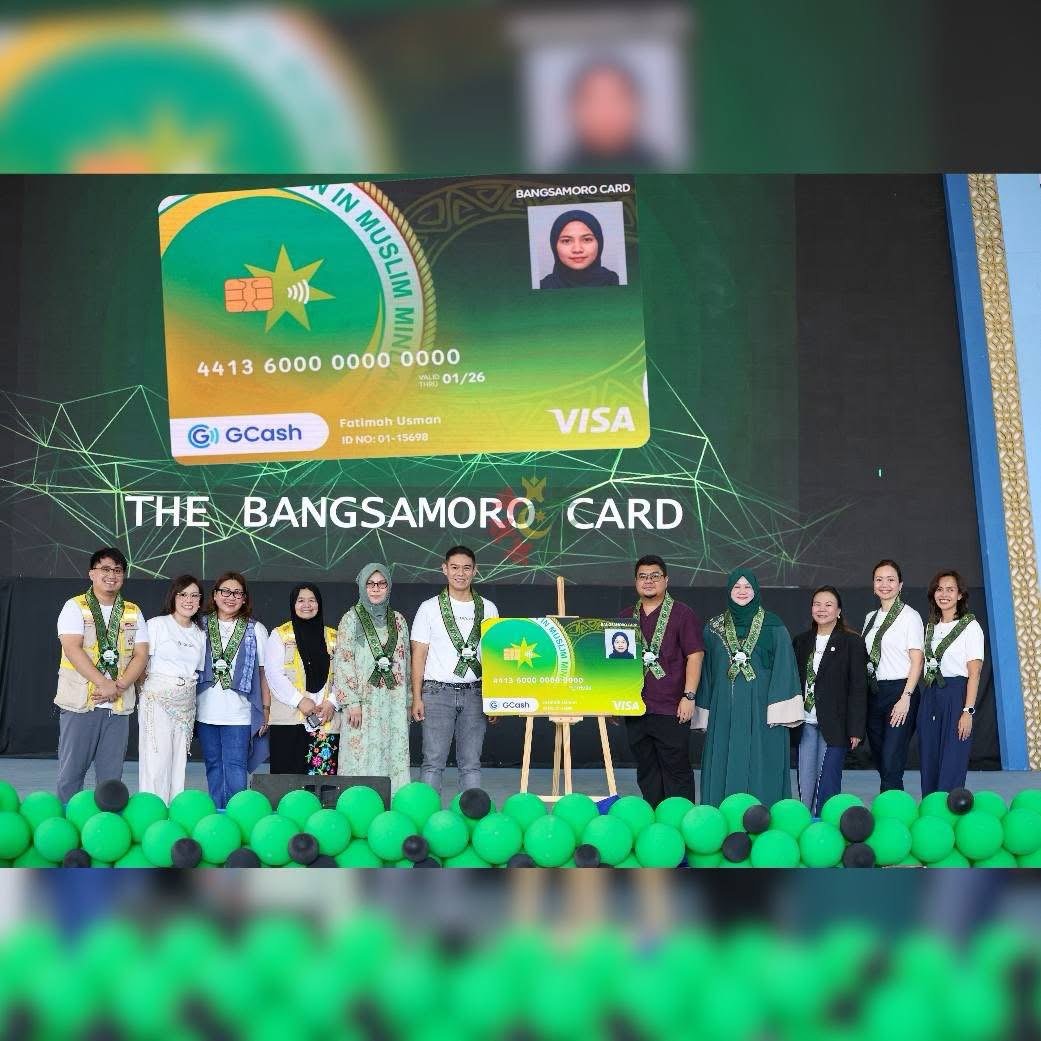
The launch of the Bangsamoro Card under the Ministry of Social Services and Development’s (MSSD) Financial Assistance System Transformation (FAST) Project has raised questions over why GCash was chosen as the digital payment partner despite the presence of other electronic money issuers, digital banks, and financial service providers operating in the Bangsamoro Autonomous Region.
On July 30, the MSSD officially rolled out the Bangsamoro Card in Maguindanao del Norte and the Special Geographic Area (SGA), describing it as a digital solution designed to make the distribution of social protection benefits faster, safer, more transparent, and more efficient through cashless financial assistance. The initiative is being implemented in partnership with GCash, the Australian Government, and UNICEF Philippines.
However, while the objectives of the program have been clearly presented, the ministry has yet to publicly explain the basis for selecting GCash as its digital payment partner, prompting questions on transparency, procurement, and the availability of other digital payment options for beneficiaries.
The issue has drawn attention because the Bangsamoro Government previously announced that the FAST Project would work with multiple financial service providers to promote financial inclusion. Earlier project documents identified institutions such as Amanah Islamic Bank, Land Bank of the Philippines, Development Bank of the Philippines, RCBC, Maya, Palawan Pawnshop, Cebuana Lhuillier, M Lhuillier, USSC, and GCash as participating financial partners.
This has led to questions on why the Bangsamoro Card rollout appears to be centered on GCash alone, and whether other accredited financial institutions and digital wallet providers will also be allowed to participate in future phases of the program.
Observers also point to the need for greater clarity on whether the selection of GCash underwent a competitive procurement or evaluation process, whether other digital payment providers were invited to submit proposals, and whether the current partnership grants exclusivity or simply represents the first phase of implementation.
Another issue being raised is beneficiary choice. While GCash has one of the country’s largest digital payment networks, many residents in BARMM also actively use other platforms such as Maya, GoTyme, traditional banks, and remittance providers. Some sectors believe allowing multiple accredited payment channels could provide greater accessibility and flexibility, particularly in geographically isolated communities where digital infrastructure and user preferences vary.
As of this writing, the MSSD has not issued a public explanation addressing why GCash was selected over other available digital payment platforms or whether additional providers will eventually be integrated into the Bangsamoro Card system.
The ministry, however, maintains that the Bangsamoro Card is intended to strengthen financial inclusion, reduce manual cash handling, improve transparency, establish a stronger audit trail, and accelerate the delivery of government financial assistance to beneficiaries across the Bangsamoro region.
While no irregularity has been alleged in the partnership, transparency advocates say publicly explaining the selection process and implementation framework would help strengthen public confidence in one of BARMM’s flagship digital social protection initiatives.