


From Resilience to Self-Reliance: How Mamasapano Is Engineering a Brighter Future
Real community transformation is the deliberate product of visionary local planning, historical determination, and an unwavering commitment to human dignity. In the municipality of Mamasapano, the local government unit (LGU) is currently orchestrating a profound socio-economic shift by directly investing in its greatest assets – its people and its natural resources. Through a synchronized strategy that pairs cutting-edge technical education with local aquaculture, the municipality is carving out a definitive path toward self-reliance.
Long before it became a standalone beacon of grassroots development, the territory of Mamasapano was a mere constituent barangay of its mother town, Shariff Aguak. The historical trajectory of the area shifted dramatically through the enactment of Republic Act No. 66467160 and Muslim Mindanao Autonomy Act No. 454 dated April 27, 1997. Following a decisive Commission on Elections resolution and a successful public plebiscite on October 31, 1998, Mamasapano officially emerged as the 11th municipality in the second congressional district of Maguindanao, encompassing 18 distinct barangays bound together by a deeply rooted Islamic faith and a 100% Maguindanaoan cultural fabric.
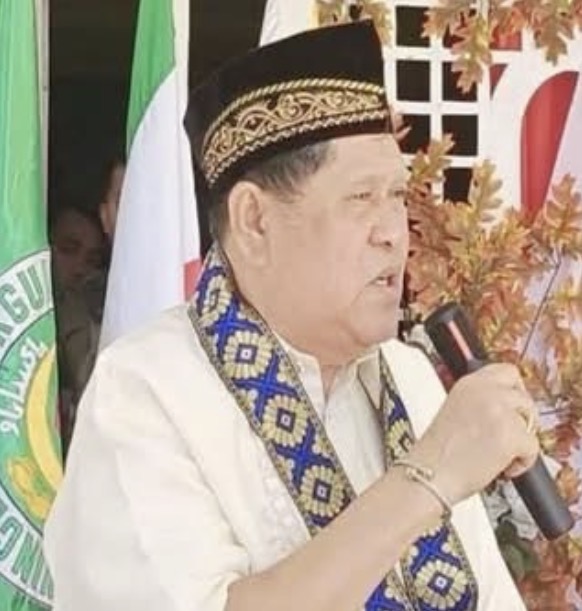
Recognizing that administrative autonomy required a resilient socioeconomic foundation, the municipality’s first appointed Mayor, Datu Akmad “Tato” M. Ampatuan, Sr., anchored the town’s long-term growth within the Comprehensive Development Plan-Executive Legislative Agenda. Under this comprehensive governance blueprint, local leaders identified the critical need to establish a dedicated, localized institution that could transform the raw potential of the municipality’s youth into industry-ready capabilities, laying the initial groundwork for a localized economic revolution.
The actual structural evolution of this dream began on April 14, 2008, during the strategic mapping of the Local Governance Support Program in the Autonomous Region in Muslim Mindanao alongside the Local School Board (LSB) and a dedicated Technical Working Group (TWG). To ensure the highest institutional standards, the LSB TWG and pioneer students engaged in extensive exposure field trips to renowned facilities like the CIMTRAC Training Center and the Korea-Philippines IT Training Center.
Following successive training interventions with supportive non-governmental organizations and close institutional tie-ups with regional authorities, the Mamasapano Technical-Vocational Educational and Training Center (MTVETC) officially commenced its historic first operations in June 2009.
Today, MTVETC stands tall as a premier, fully TESDA-accredited assessment and training center specializing in top-tier technical-vocational qualifications. Under the executive leadership of Datu Akmad M. Ampatuan Sr. as president and Totoy M. Kesid as administrator, the center remains unyielding in its institutional commitment to deliver exceptional, highly efficient training services that seamlessly bridge the gap between eager local laborers and demanding modern industries.
To maintain its stellar track record, the center boasts state-of-the-art facilities and equipment designed to ensure that all skills assessments and educational training sessions are executed with maximum accuracy and efficiency. Rather than focusing on abstract theories, the facility prioritizes highly practical, market-driven competencies, currently driving highly sought-after instructional programs such as professional driving courses and certified electrical installation.
The center’s adherence to rigorous national standards has yielded spectacular results, transforming the socio-economic reality for thousands of families across the municipality.
“Our specialized programs are intentionally designed to uplift our local youth, out-of-school youth, and hardworking parents who are actively seeking the competitive technical skills required to secure viable employment,” shared Julieta Tercero, secretary and vital member of the MTVETC TWG, celebrating the fact that the center has successfully produced over 2,500 qualified graduates since its inception.
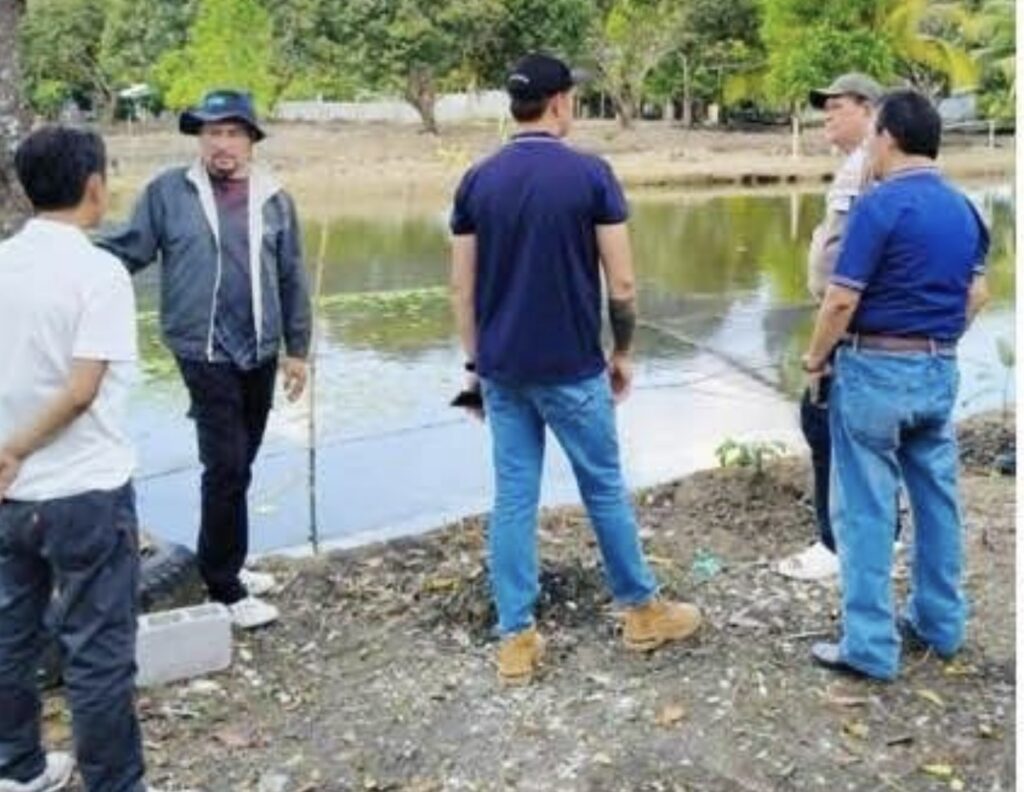
Complementing this intensive push for human capital development, the Mamasapano LGU has simultaneously launched a massive agricultural counterpart through its municipal aquaculture initiative. Steered directly by local agricultural officers, the municipal government currently operates 30 meticulously organized, highly engineered fishpond compartments. This thriving decentralized aquaculture network serves as a practical testing ground for sustainable inland farming, effectively merging natural resource management with active economic asset creation.
The project is currently breeding an estimated 20,000 tilapia and catfish (hito) under optimal scientific conditions to ensure high survival rates and premium yields. Upon reaching full maturity, the LGU will execute a systematic, community-wide harvest distribution strategy designed to put fresh, locally produced protein directly onto the tables of neighborhood households, seamlessly weaving grassroots livelihood generation with an aggressive campaign for absolute municipal food security.
Mamasapano’s dual-pronged strategy offers a clear demonstration in sustainable local governance. By honoring its historical journey from a dependent territory to an innovative, self-sustaining municipality, and by continually expanding the capacities of both the MTVETC and its rich agricultural systems, the LGU is proving that true communal resilience is built from within. Step by progressive step, the leaders and citizens of Mamasapanoare proudly sketching a prosperous, self-reliant future that will inspire generations to come.